
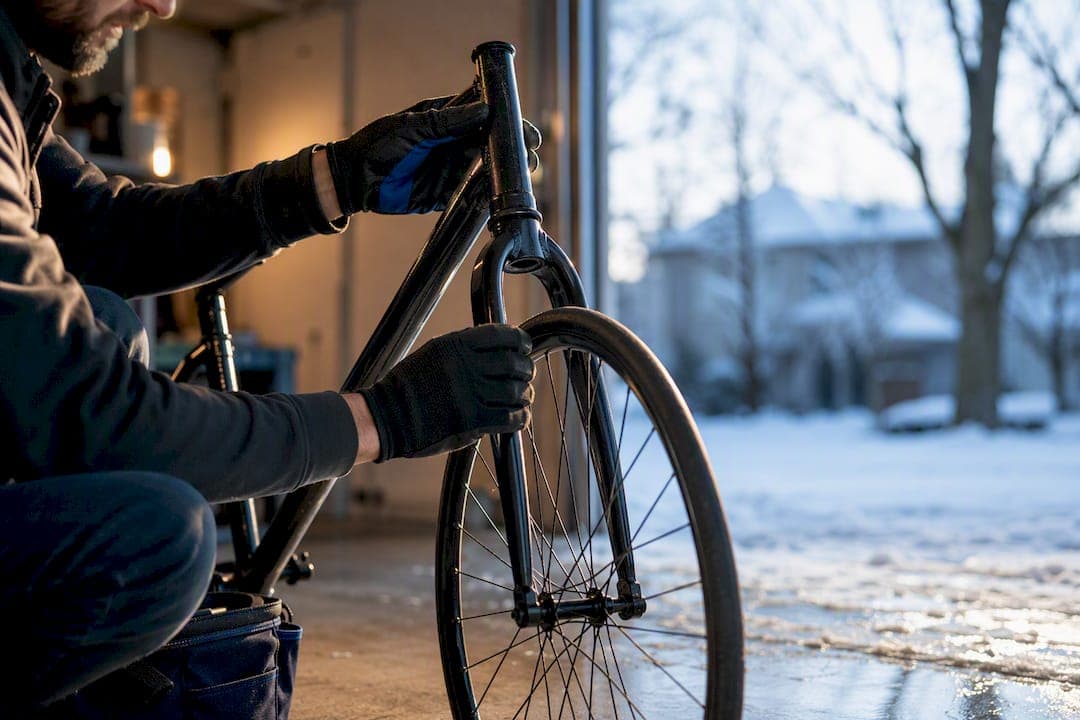
Yes, flipping bicycles is frequently profitable for side-hustlers who buy smart and can handle a basic tune-up. Most flippers net modest to moderate profits per bike, with seasonal timing helping add real margin. Your first move: find a $50 to $100 commuter with a solid frame, spend an hour on repairs, and list it once the spring buying season starts.
TL;DR:
- Buying bikes during winter from sources like Facebook Marketplace, garage sales, or pawn shops usually yields the lowest purchase prices, enabling higher margins in spring.
- Basic tune-up costs typically range from $10 to $50, with simplified repairs offering the highest return on investment and quicker turnover.
- Effective evaluation involves a rapid 90-second check focusing on the frame, wheels, drivetrain, brakes, and crank to identify valuable candidates fast.
- Most profits come from quick flip projects that take 2 to 4 hours and involve minimal repairs, rather than prolonged restoration efforts with diminishing hourly returns.
- Using tools like deal alerts, listing analyzers, and profit calculators can greatly improve sourcing efficiency and accurate margin modeling.
Table of Contents
- Flip Bicycles Profit: What to Expect in Time and Money
- Where to Find Bikes to Flip
- How to Evaluate a Bike Fast: The 90-Second Check
- Repair Costs and How to Track Your Real Profit
- Where to Sell and How to Price Competitively
- Seasonality and Scaling: Buy Winter, Sell Spring
- Risks, Legal Checks, and Safe Buying Practices
- Tools That Turn Guesswork Into Predictable Margin
- Is Bike Flipping Worth It as a Side Hustle?
- How DealFlipAI Helps You Flip Bikes Faster
- Sources
Flip Bicycles Profit: What to Expect in Time and Money
Most beginners overestimate the ceiling and underestimate the floor. A typical bicycle flip nets a modest to moderate profit, with occasional wins on premium or collectible bikes pushing higher. That's the range most flippers report across forums and guides tracking profit from bicycle flipping, and it holds up whether you're working out of a garage or a small storage unit.
Time matters as much as dollars. A basic commuter flip, one that only needs a tune-up, new tubes, and a wipe down, usually takes 2 to 4 hours from pickup to relisting. A full restoration on a neglected road bike or an e-bike with a battery question mark can eat 8 to 12 hours once you count diagnosis, parts runs, and photography. That difference changes your effective hourly rate dramatically, even on flips with similar sticker profit.
Here's how three common scenarios shake out:
- Quick flip: Buy a Trek hybrid for a low price, spend a small amount on a tube and cable adjustment, then sell for a substantial markup. Net profit can be around $95 for about 2 hours of work, or a reasonable hourly rate.
- Mid-tier flip: Buy a Specialized road bike for $150, spend $60 on tires, chain, and brake pads, sell for $400. Net profit: $190 for about 4 hours, or close to $47/hour again.
- Restoration flip: Buy a Cannondale mountain bike for a low to moderate price, spend a higher amount on a drivetrain overhaul and new grips, then sell for a higher price. Net profit can be around $150 for extended work hours, resulting in a lower effective hourly rate.
That last example is the trap a lot of new flippers fall into. Restoration projects feel satisfying, but the hourly math often loses to a stack of quick tune-up flips.
Casual hobbyists clear $1,000 or less a year flipping on weekends. Disciplined flippers running a real sourcing pipeline in decent metro markets report $1,000 to $4,000 a month once they're buying five or more bikes a week and have a repeatable repair workflow. The gap between those two outcomes isn't luck. It's process, and specifically how fast you can source, evaluate, and turn inventory.
Where to Find Bikes to Flip
Sourcing is where most of your profit gets decided, before you ever pick up a wrench. The buy price sets your ceiling.
- Facebook Marketplace. This is the volume leader for casual sellers who want a bike gone fast and rarely know its resale value. Set saved searches with keywords like "moving," "garage clean out," or specific brand names, and check listings first thing in the morning when they're freshest.
- Craigslist. Slower traffic than Marketplace but often better prices, since fewer casual buyers browse there. Good for negotiating on bikes that have sat for a week or two.
- OfferUp. Similar buyer pool to Marketplace with slightly less competition in some regions. Worth running in parallel rather than as your only channel.
- Garage and estate sales. These produce the best per-bike prices because sellers want bikes gone that day, not listed online. Weekend mornings in spring and early summer are peak season.
- Pawn shops. Prices run higher than private sales, but pawn shops sometimes discount aging inventory, especially bikes that have sat unsold for 60 to 90 days. Ask directly about that.
- Thrift stores and shop consignment. Inconsistent inventory, but useful for finding underpriced donated bikes that staff haven't researched.
Building relationships with a local used-bike shop or repair co-op gives you a second sourcing channel entirely. Shop owners often know which customers are looking to unload old bikes before those bikes ever hit a public listing, and a strong local network also gets you cheaper parts and a workspace if you don't have a garage.
Skip anything from a big-box brand like Huffy, Mongoose, or Magna unless it's free or nearly free. Those bikes rarely resell above $50 to $75, so paying $40 for one leaves almost no room for profit once you factor in your time.
How to Evaluate a Bike Fast: The 90-Second Check
You don't need 20 minutes to know whether a bike is worth buying. Run through this sequence before you commit:
- Frame first (15 seconds). Look for cracks near the welds, rust bubbling through paint, or a bent seat tube. A cracked frame is a dead bike. Walk away immediately.
- Wheels (15 seconds). Spin each wheel and watch for wobble side to side. Minor truing is a cheap fix; a badly bent rim usually isn't worth the labor unless the bike is otherwise pristine.
- Drivetrain (20 seconds). Shift through the gears if the seller allows it. Grinding, skipping, or a chain that won't hold a gear points to worn cassette or derailleur issues.
- Brakes (15 seconds). Squeeze both levers. Spongy or unresponsive brakes usually mean cheap cable and pad replacements, not a dealbreaker.
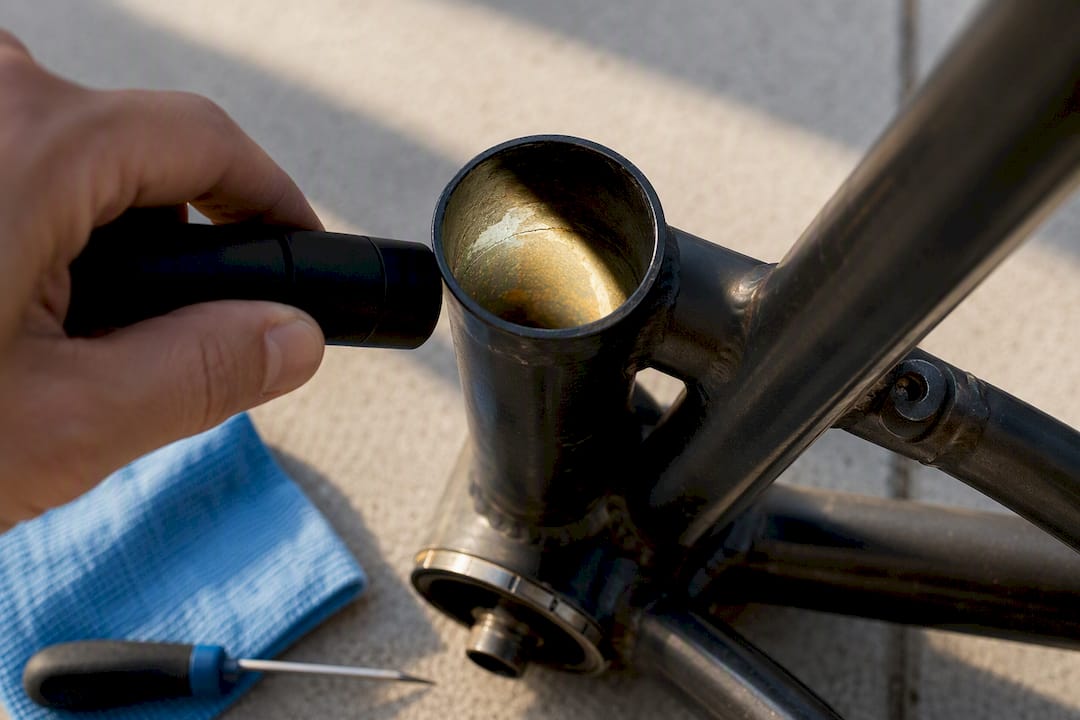
- Pedals and cranks (10 seconds). Spin the crank and listen for grinding in the bottom bracket. That repair is more involved and cuts into your margin fast.
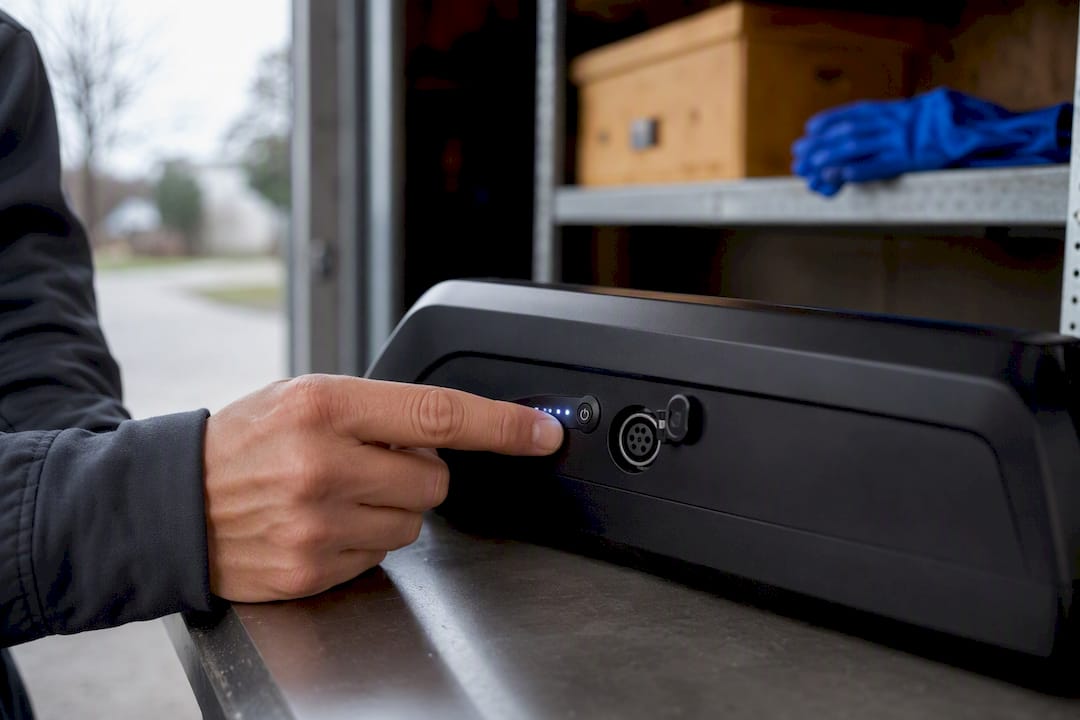
For e-bikes, add a battery check to this sequence. Ask the seller to power it on and show you the charge indicator, then ask how old the battery is and whether it's the original. A degraded or unknown battery is the single biggest wildcard in e-bike flipping, since a replacement pack can run $300 to $600 depending on the model, often more than the bike is worth reselling.
Walk away if you see: a cracked or heavily rusted frame, a seller who can't explain why they're selling below market, a serial number that's been filed off or looks tampered with, or an e-bike battery the seller won't power on for you.
Pro Tip: Bring a small flashlight to inspections, even during the day. Shining it into the seat tube and around the bottom bracket reveals rust and cracks that natural light hides.
Repair Costs and How to Track Your Real Profit
Most bikes that need work need the same handful of things. Knowing rough parts costs before you buy lets you calculate margin on the spot, standing in someone's driveway.
- Tubes: $4 to $10 each, one of the cheapest fixes with the biggest visible impact on a test ride.
- Tires: $15 to $40 per tire depending on size and tread style.
- Brake pads: $8 to $20 a set.
- Cables (brake and shifter): $5 to $15 each.
- Chain: $15 to $30 depending on speed count.
- Full tune-up supplies (lube, degreased, minor adjustments): $10 to $50 total.
That last line matters more than any other on this list. Tune-up supplies costing $10 to $50 can add $100 to $300 of resale value to a neglected bike, making the basic tune-up the single highest-ROI task in this entire business. Learning it, even a rough 30-minute version, is genuinely the biggest barrier standing between a hobbyist and a profitable flip.
Decide early whether a repair belongs to you or a shop. Anything involving the bottom bracket, headset press-fits, or wheel truing beyond minor adjustments often costs $30 to $60 at a shop, and unless you're planning to do dozens of flips a year, it's usually cheaper to pay that fee than buy specialty tools you'll rarely use again.
Track every flip the same way, on a simple spreadsheet with these columns: purchase price, parts cost, hours spent, listing fees if any, shipping estimate, sale price, and net profit. That single habit is what separates flippers who can tell you their real margin from flippers who just feel busy. A flip profit calculator does the same math automatically and factors in fees you might otherwise forget.
Where to Sell and How to Price Competitively
Local sale channels, Marketplace, Craigslist, OfferUp, keep the transaction simple and avoid shipping a bulky item, but they cap your buyer pool to your immediate area. Shipping a bike nationally through eBay opens a much bigger market, especially for collectible or vintage models, but boxing a bike properly takes real effort and eats into margin through packaging and freight costs.
- Local sale: No shipping hassle, faster cash, but you're at the mercy of local demand for that specific bike type.
- Shipped sale (eBay, specialty forums): Wider buyer pool and often higher prices for niche or vintage bikes, offset by box costs and an eBay fee calculation you should run before committing to that channel.
Pricing comes down to comps, not guesswork. Search recently sold listings on the platform you're using, and cross-reference with Bicycle Blue Book for the make and model if it's a mainstream brand. Benchmarking against real market data beats pricing based on what you paid plus a flat markup, because two visually similar bikes can have very different resale ceilings depending on component tier.
A practical listing checklist:
- Take photos in daylight from at least six angles, including close-ups of the drivetrain and any cosmetic flaws.
- List the exact specs: frame size, wheel size, gear count, and any recent repairs or new parts.
- Disclose flaws honestly. A buyer who feels misled leaves a bad review or asks for a refund, and both cost you more than the disclosure would have.
- Price 10 to 20% above your target net sale price, which gives you room to negotiate without dropping below your real floor.
Buyers who lowball hard and fast are often testing you. Hold your price for 48 hours before accepting a discount below your floor, since a fair-priced bike with clean photos usually finds a serious buyer within that window.
Seasonality and Scaling: Buy Winter, Sell Spring
The single biggest lever in this business isn't repair skill. It's timing.
- Buy aggressively from November through February. Bike demand craters in winter across most of the country, and sellers who want garage space back will take lowball offers just to move inventory. This is when buy prices bottom out.
- Hold through the cold months. Store bikes somewhere dry, tag each one with its purchase price and repair status, and budget cash flow so you're not forced to sell early out of impatience.
- Sell March through June. The same bike that sold for $150 in December can command 30 to 40% more once spring buying season kicks in and casual riders start shopping again.
- Scale by batching, not by working harder. Once you've got five or more bikes ready, do all your tune-ups in one sitting rather than one at a time. Cross-list to two or three platforms simultaneously instead of staggering listings.
- Delegate what doesn't need your judgment. Basic cleaning and photography can go to a helper or a part-time hire once volume justifies it, freeing you to focus on sourcing and pricing decisions that actually move margin.
Storage is the hidden cost that trips up winter buyers. A garage, shed, or even a corner of a storage unit works fine for five to ten bikes, but factor that monthly cost into your margin if you're renting space specifically for inventory.
Risks, Legal Checks, and Safe Buying Practices
Stolen bikes are the biggest risk in this business, and they're more common than most beginners assume. Community tracking suggests roughly 10% of Facebook Marketplace bike listings in some metro areas may involve stolen inventory. Buying one, even unknowingly, can mean losing the bike, the money, and possibly facing legal trouble.
- Check every serial number against BikeIndex.org and Project 529 before you hand over cash, both are free databases that flag reported stolen bikes.
- Meet sellers in public, well-lit locations, and bring a friend for higher-value purchases.
- Pay with cash for small transactions or a traceable method like a payment app for larger ones. Avoid wiring money or paying before you've physically inspected the bike.
- Ask for the original receipt or proof of purchase on anything over $300. A seller who can't produce basic ownership history is a red flag.
E-bike batteries deserve their own math. A healthy battery on a used e-bike is close to pure profit, since the hardest component to verify is also the most expensive to replace. An unknown or clearly degraded battery, one that won't hold charge through a short test ride, usually means a $300 to $600 replacement that erases your margin entirely.
Pro Tip: If a seller can't or won't demonstrate the e-bike battery holding charge for at least 15 minutes during your visit, treat that bike as a parts-only purchase and price your offer accordingly.
Most areas don't require a specific license or permit for casual bicycle resale, but income from flipping is taxable, and consistent, high-volume sellers may need to register as a business depending on local regulations. Check with your state or city's small business office if you're scaling past a hobby level.
Tools That Turn Guesswork Into Predictable Margin
Modeling a flip before you buy removes most of the risk that trips up beginners. A basic profit calculation needs four inputs: purchase price, parts and repair cost, estimated fees (platform or shipping), and expected sale price based on real comps.
Here's how that math plays out on a typical commuter flip:
That $110 net looks solid on paper, but it only holds if your comp price is accurate. Guessing at resale value is where most beginners lose money, either by overpaying upfront or underpricing at sale.
Tools that automate this comparison save real time:
- A listing analyzer scores a Marketplace listing against comparable sold before you ever contact the seller, cutting out guesswork on whether the asking price leaves room for profit.
- Deal alerts flag underpriced listings the moment they post, which matters because the best deals often sell within hours to whoever responds first.
- A flip profit calculator factors in fees and shipping automatically, so the number you see reflects what actually lands in your account, not a rough estimate.
Is Bike Flipping Worth It as a Side Hustle?
Bike flipping rewards people who treat it like a small operation, not a weekend whim. If you've got two to four hours a week and enough mechanical patience to learn a basic tune-up, the math works in your favor more often than not.
I'd start with one bike, a cheap commuter, and track every dollar on that single flip before buying a second. That first flip teaches you more about local pricing and your own repair speed than any guide can. Once you've done three or four flips and know your real hourly rate, you'll have a clear answer on whether to scale into batch buying or keep it as a low-key hobby that pays for your own bike habit.
The people who struggle are usually the ones who skip the tracking step and just feel busy without knowing their actual margin.
— Walsh Pex
How DealFlipAI Helps You Flip Bikes Faster
An AI-powered platform can shortcut the two things that eat up most of a flipper's week: sorting through junk listings and guessing at resale value. Instead of scrolling Marketplace for hours hoping to catch a good deal before someone else does, you set alerts and let the platform surface underpriced bikes as they post.

The workflow is simple. Set a deal alert for the brands and categories you want, run promising listings through the listing analyzer to see a profit score and risk flags, then confirm the math with the flip profit calculator before you ever message a seller. If the numbers clear your target margin, buy. If not, move to the next listing without wasting a drive across town.
A scam checker tool can add a layer of protection against stolen-bike and bait-listing risks, flagging seller behavior patterns that don't match legitimate sales. If you're ready to stop guessing at which listings are worth your time, check DealFlipAI's tools and start modeling your next flip before you spend a dollar on it.