
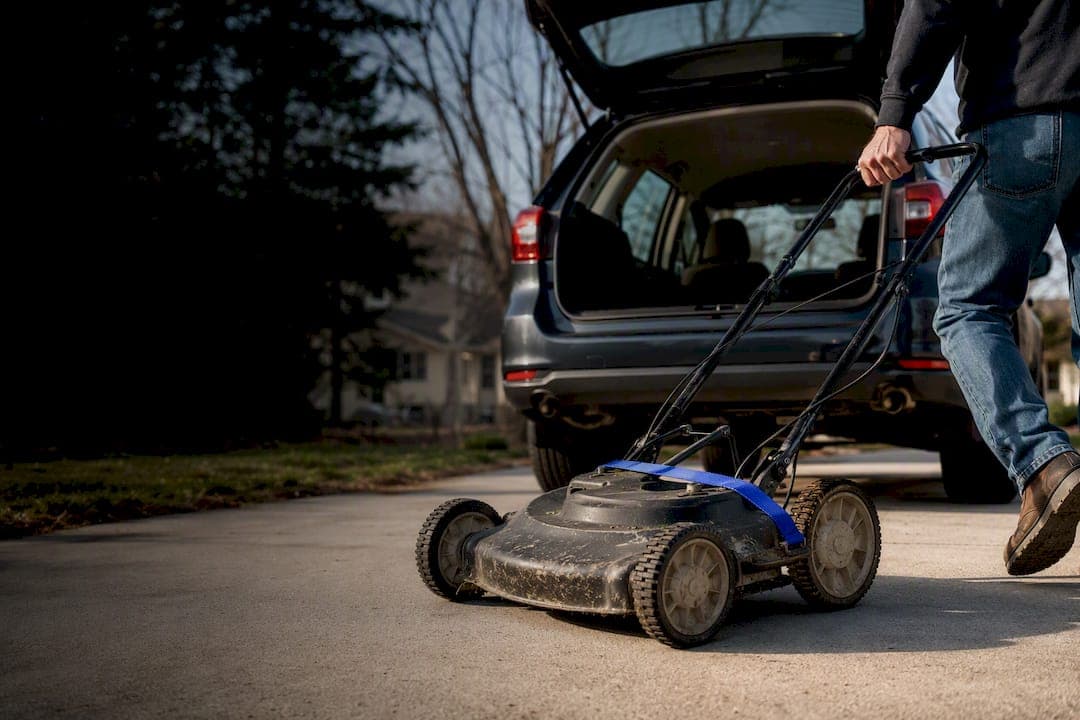
Yes, flipping lawn equipment is worth your time, and it consistently beats a lot of other reselling categories because most owners undervalue their old mowers just to get them out of the garage. Prioritize walk-behind mowers, pressure washers, trimmers, blowers, and riding mowers in that rough order, since walk-behinds move fastest and pressure washers often need almost no repair. A typical flip nets a moderate profit on small equipment within a short period, while a well-repaired riding mower can yield higher returns but takes longer to sell.
TL;DR:
- Flipping walk-behind mowers is most profitable when buying cheap, repairing simple issues like carburetors and blades, and listing them in peak demand seasons.
- Properly evaluating used equipment involves checking engine start, compression, oil condition, and physical condition of the deck and blades to avoid costly mistakes.
- Quick, targeted repairs such as carburetor cleaning, oil changes, and blade sharpening deliver high returns and can turn low-cost purchases into profitable sales within hours.
- Safety protocols, including proper mower tilting and load securing, are essential to prevent injuries during repairs and transportation.
- Listing success depends heavily on high-quality photos, detailed descriptions of repairs, and choosing local platforms like Facebook Marketplace during peak seasons.
Table of Contents
- Best Lawn and Yard Items to Flip (and Why Each One Sells)
- What to Check Before You Buy Used Lawn Equipment
- Repairs That Turn a Cheap Mower Into a Fast, Profitable Flip
- Safety Rules Every Lawn Equipment Flipper Should Follow
- How to Calculate Profit Before You Buy
- Listing and Selling: Photos, Platforms, and Timing
- Do You Need a License to Flip Used Lawn Equipment?
- Where to Find Cheap Lawn Equipment to Flip
- A Reseller's Real Flip: What Went Right and What I'd Fix
- Screen Marketplace Listings Faster With Dealflip AI
- Sources
Best Lawn and Yard Items to Flip (and Why Each One Sells)
Not every piece of yard equipment flips the same way. Some items move in days, others sit for weeks waiting for the right buyer, and knowing which is which before you buy saves you from tying up cash in something slow.
Walk-behind mowers are the bread and butter of lawn equipment flipping. They're cheap to acquire (often $20 to $75 for a "won't start" listing), light enough to transport in a hatchback, and every homeowner needs one every spring. Demand spikes hard in March and April, which is exactly when sellers who never got around to fixing last year's mower finally give up and list it cheap. One Reddit thread on flipping yard equipment noted that push mowers typically sell faster at lower ticket prices while riding mowers take longer but pay more per unit.
Riding mowers and small tractors sit at the other end of the spectrum. You're looking at higher purchase prices (often $200 to $800 for something with a bad deck belt or dead battery), a truck or trailer to move it, and storage space while you work on it. The payoff can be real. Used-equipment listings show commercial and zero-turn units selling for thousands once refurbished, compared to a few hundred dollars for basic walk-behinds. That price gap is the whole game: riding mowers pay better per flip but tie up more capital and more of your weekend.
Pressure washers deserve more attention than most new flippers give them. They rarely have carburetor problems as severe as small engines on mowers, and a bad pump or a clogged nozzle is often a $15 part. Buyers also tend to pay close to asking price because pressure washers feel like a "want" purchase people get excited about, not a grudge buy.
Trimmers, blowers, and edgers make good filler flips. They're light, cheap to store in bulk, and a batch of five string trimmers bought for $10 each at an estate sale can turn into $200 to $300 after an afternoon of carburetor cleaning. The catch is these small two-stroke engines are notoriously fussy about old fuel, so expect a higher percentage of "not worth fixing" units than with mowers.
When should you bid on a niche item, like a chipper, a leaf vacuum, or a commercial-grade edger? Only when you already know the resale market for it. Niche equipment can pay well because fewer flippers compete for it, but it also sells slower since the buyer pool is smaller. If you can't picture who buys it in your area within two weeks, skip it and stick to:
- Walk-behind push and self-propelled mowers
- Pressure washers (gas and electric)
- String trimmers and edgers
- Leaf blowers, handheld and backpack
- Riding mowers and compact tractors
- Zero-turn mowers, for buyers with truck access and mechanical confidence
What to Check Before You Buy Used Lawn Equipment
The difference between a $40 profit flip and a $40 loss almost always comes down to what you checked before handing over cash. Whether you're standing in someone's driveway or scrolling through marketplace photos, run through the same sequence every time.
- Ask for a start. A running engine tells you more in ten seconds than any description. Listen for knocking, watch the exhaust color (blue smoke usually means worn rings or too much oil; white smoke on startup can be normal condensation burning off), and check whether it idles steady or surges.
- Feel for compression. You don't need a gauge to get a rough read. Pull the starter cord by hand with the spark plug removed. A strong, sharp resistance means healthy compression. A mushy, weak pull is a warning sign of internal wear that's expensive to fix.
- Pull the spark plug and look at it. Black and sooty means a rich fuel mixture or a carburetor issue. Oily and wet suggests it's been sitting with the plug fouled. A clean tan color is what you want to see.
- Check the oil. Pull the dipstick or fill cap. Milky oil means water intrusion, a bigger problem than a simple oil change. Very dark, thick oil just means neglect, which is an easy fix.
- Look at the fuel and carburetor. Old gas smells like varnish and often looks cloudy or has a gummy residue. If the tank has been sitting for a season or more, budget for a carburetor cleaning no matter what the seller claims.
- Pull the air filter. A clogged, oily, or torn filter is a five-dollar part, but it also tells you how well the previous owner maintained the machine overall.
- Inspect the deck, blades, and undercarriage. Flip the mower with the carburetor side up (more on that in the safety section below), and check for rust-through on the deck, bent or badly nicked blades, and any belts that look cracked or glazed.
- Spin the wheels and check the bearings. Wobble or grinding means bearing replacement, which is cheap for push mowers but adds real labor time on riding units.
- Check tires for dry rot and flat spots, especially on riding mowers and zero-turns that sat outside for years.
- Walk away if you see a cracked block, a bent crankshaft (the blade wobbles side to side, not just up and down), or hydraulic fluid leaking from a zero-turn's drive system. These repairs cost more than the machine is worth to a flipper.
Pro Tip: If you're buying from photos only, ask the seller for a video of the engine actually running, plus a close-up of the oil on the dipstick. Sellers who refuse both are usually hiding something.
Transport matters too. Confirm the equipment fits your vehicle or trailer before you drive out, and bring a ramp and tie-down straps even for small push mowers. Nothing kills a good deal faster than showing up unprepared and having to make a second trip.
Repairs That Turn a Cheap Mower Into a Fast, Profitable Flip
Most of the profit in flipping lawn equipment comes from a handful of repeatable jobs, not from full engine rebuilds. Learn these five or six repairs well and you can work through inventory quickly instead of getting stuck on one machine for a week.
The core repair list that pays for itself:
- Carburetor cleaning or rebuild kit ($8 to $20, 30 to 60 minutes)
- Air filter replacement ($5 to $15, 5 minutes)
- Oil change ($6 to $12 for oil, 15 minutes)
- Spark plug replacement ($3 to $8, 5 minutes)
- Blade sharpening or replacement ($10 to $25 for a new blade, 20 minutes)
- Drive belt replacement on self-propelled models and riding units ($15 to $40, 30 to 90 minutes)
Carburetor work delivers the biggest swing in value of anything on this list. A mower listed as "won't start" or "runs rough" is often nothing more than gummed-up jets from a season of sitting with stale fuel in the bowl. Step-by-step guides on fixing lawn equipment for resale confirm that cleaning or rebuilding the carburetor, replacing the air filter and spark plug, and changing the oil are the core tasks that reliably raise resale value. A cleaned carburetor can transform a "parts only" listing you bought for $25 into a running mower worth $120, and that single repair often accounts for most of your margin on the whole flip.
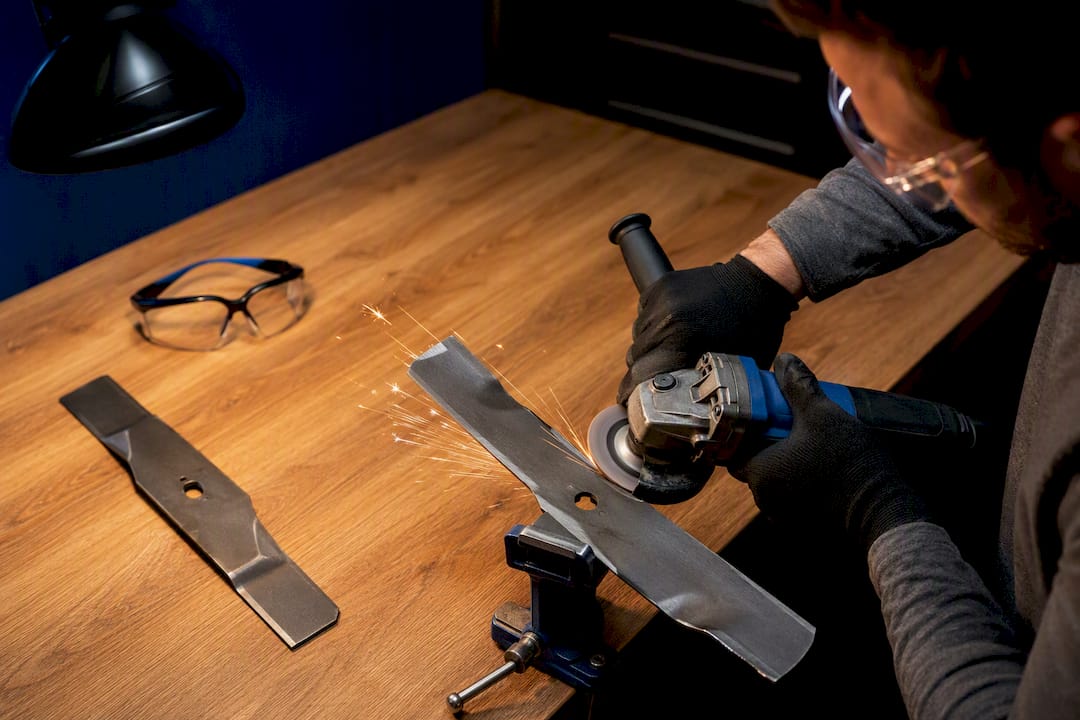
Sharpening blades matters more than most beginners expect. A dull or nicked blade doesn't just cut grass poorly, it makes buyers assume the whole machine has been neglected, even when the engine is fine. A $10 replacement blade and fifteen minutes with an angle grinder (or a $15 sharpening at a hardware store if you don't have a grinder) noticeably changes how "cared for" a listing photo looks.
When is a rebuild or full replacement part worth it, versus walking away?
Run this quick math before committing to a bigger repair. A $180 riding mower with a bad transmission that costs $150 in parts is a loss waiting to happen. A $40 push mower needing a $12 carburetor kit is an easy yes.
Here's a realistic breakdown of what a single quick-win repair job returns:
| Repair | Typical Cost | Typical Time | Value Added to Resale |
|---|---|---|---|
| Carburetor clean/kit | $8 to $20 | 30 to 60 min | $60 to $150 |
| Blade sharpen/replace | $10 to $25 | 15 to 20 min | $15 to $30 |
| Oil change | $6 to $12 | 15 min | $10 to $20 |
| Spark plug/air filter | $8 to $23 | 10 min | $10 to $25 |
| Belt replacement | $15 to $40 | 30 to 90 min | $30 to $60 |
A push mower that needed only a carburetor clean and a blade sharpen, bought for $30, can realistically resell for $130 to $150 after roughly 90 minutes of hands-on work. That's a strong return for less time than most flippers spend photographing furniture.
Before you get under the deck, take these safety steps every single time:
- Disconnect the spark plug wire so the engine can't accidentally fire while your hands are near the blade
- Drain the fuel or run the tank low if you'll be tilting the mower for more than a few minutes
- Wear gloves rated for cut resistance when handling the blade itself
- Work on a flat, stable surface, never a slope, when the mower is tilted up
Pro Tip: Buy a cheap carburetor rebuild kit for the most common small-engine brands (Briggs & Stratton, Honda GCV, Tecumseh) before you need one. Having the kit on hand means you can turn around a "dead" mower the same day you buy it instead of waiting on shipping.
Belt and bearing work takes longer per unit but pays off especially well on self-propelled mowers and riding units, where a snapped drive belt is often the entire reason a functioning machine got listed for next to nothing. Learning to identify a glazed, cracked, or stretched belt from a quick look saves you from either overpaying for a "just needs a belt" listing or underpaying because you assumed the problem was worse than it was.
Safety Rules Every Lawn Equipment Flipper Should Follow
Working on small engines is generally low risk, but a handful of specific mistakes cause most of the injuries and blown engines flippers see.
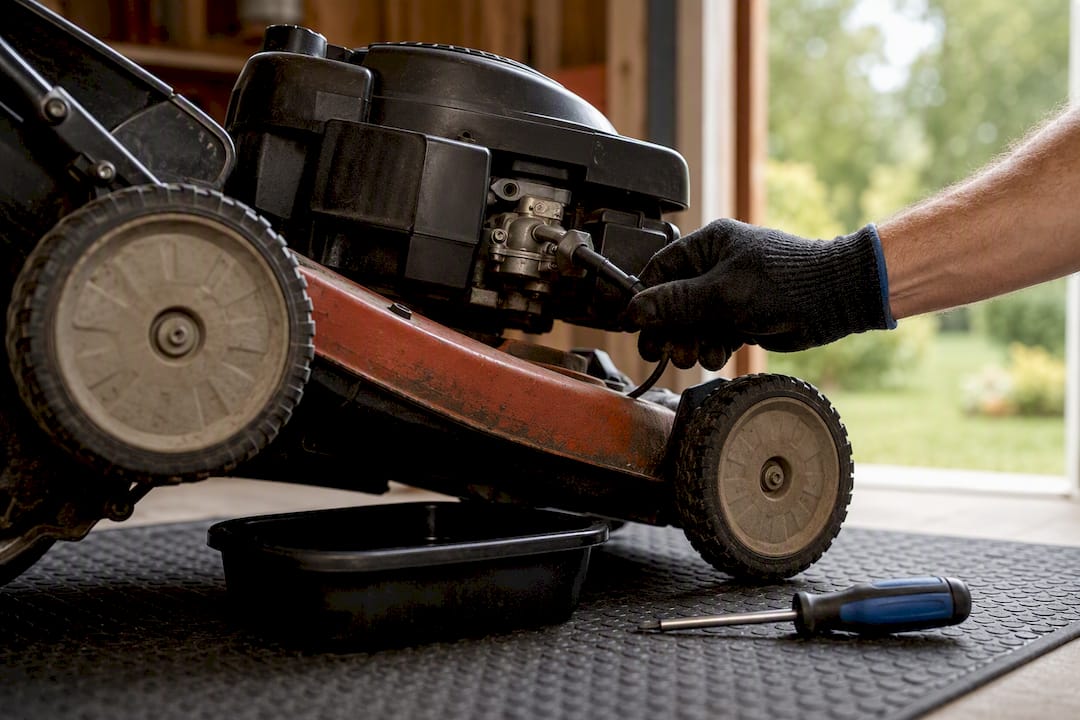
The carburetor-up rule is the one beginners get wrong most often. When you tilt a walk-behind mower to work on the blade or deck, the carburetor and air filter side must stay up. Tilt it the other way, or flip it fully upside down, and oil and fuel can flood the carburetor and air filter, sometimes causing hydrostatic lock or a fouled spark plug. If you realize you tilted it wrong, the fix is straightforward: remove the spark plug, pull the starter cord several times to clear the cylinder, and replace the air filter if it's soaked with oil before you try to start it again.
For any repair that takes more than a few minutes with the mower tilted, disconnect the spark plug wire first and drain or run the fuel tank low. This prevents accidental starts and reduces the mess if fuel leaks past the tank seal while the mower is angled.
Zero-turn mowers carry a different risk entirely: rollover. Their rear-heavy weight distribution makes them prone to tipping on slopes or during sharp turns. Manufacturer guidance generally recommends avoiding slopes steeper than about 15 degrees and using the ROPS bar with a seatbelt whenever the unit has one, since a rollover without those protections can cause serious crush injuries.
A few more rules worth building into habit:
- Never test-drive a riding mower or zero-turn on a slope you haven't already assessed on foot
- Chock the wheels and use a rated ramp when loading equipment into a truck bed or trailer
- Strap equipment down at a minimum of two points, front and rear, not just one center strap
- Keep bystanders, especially kids, well clear during test starts, since a stuck throttle or loose blade can throw debris
None of this is complicated, but skipping it is how a quick flip turns into an ER visit or a ruined engine.
How to Calculate Profit Before You Buy
Every flip boils down to one formula: buy price + parts cost + labor value + transport cost + marketplace fees = total cost. Subtract that number from your realistic sale price, and whatever is left is your actual profit, not the number you tell yourself in your head while standing in the seller's driveway.
Run the math before you hand over cash, not after. Here's how it plays out across three common flips.
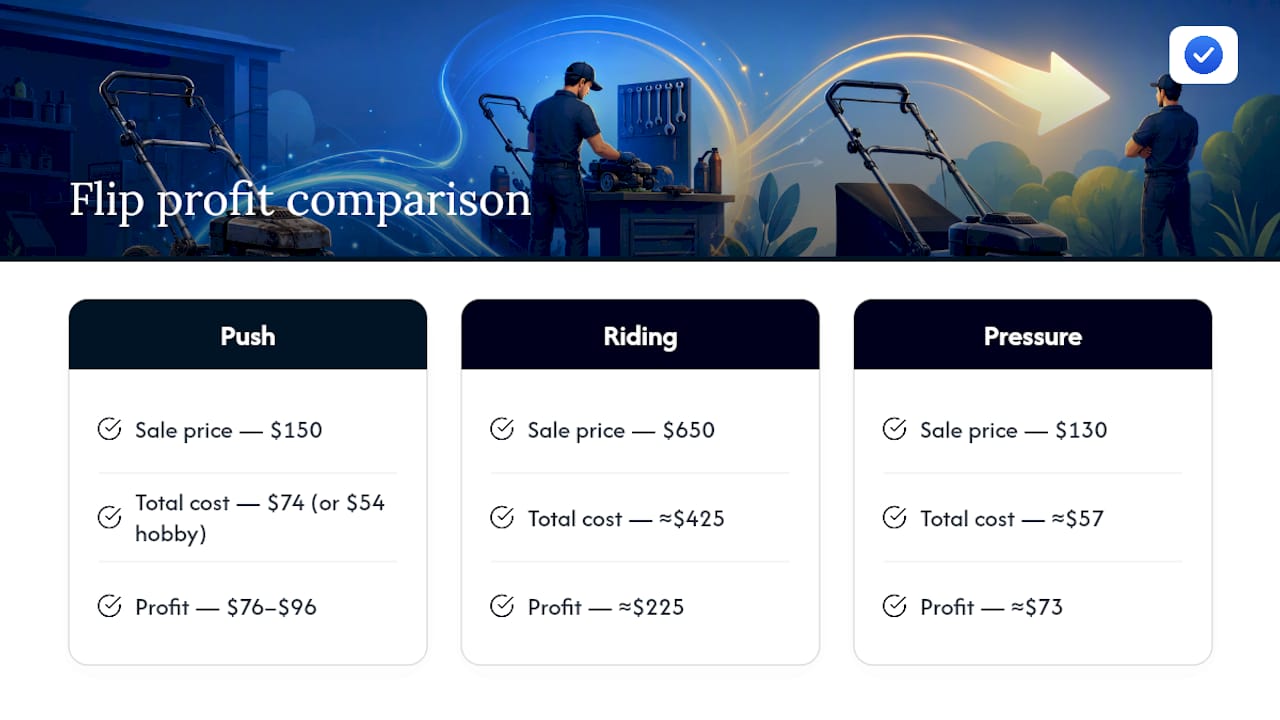
Push mower example: Buy price $35, carburetor kit $15, spark plug $4, one hour of your labor (call it $20 if you value your time, or $0 if you're doing this purely as a hobby), no transport cost since it fit in your trunk, marketplace fee roughly $0 on a cash local pickup deal. Total cost: $74 (or $54 if you skip valuing labor). Sale price: $150. Profit: $76 to $96.
Riding mower example: Buy price $250, drive belt $30, blades $20, oil and filter $15, battery $40 (if needed), three hours of labor at $20/hour is $60, gas for a truck trip to pick it up, roughly $10 using a fuel cost calculator to check the round trip. Total cost: roughly $425. Sale price: $650. Profit: around $225.
Pressure washer example: Buy price $40, replacement nozzle and O-ring kit $12, minimal labor at 20 minutes, no transport cost. Total cost: roughly $57. Sale price: $130. Profit: around $73.
The riding mower nets the highest dollar profit but ties up the most cash, the most storage space, and the most of your weekend. The push mower and pressure washer flips return less money individually but you can turn three or four of them in the time it takes to fix one riding mower.
Decide which path fits your situation using this quick rule: if you need cash flow soon or you're brand new to engine repair, stack up low-cost, low-risk flips like push mowers and pressure washers first. Once you've built repair confidence and have storage space to hold inventory longer, riding mowers and zero-turns are where the bigger paydays live. A flip profit calculator can help you run these numbers before you commit to a purchase, especially when you're weighing a fast low-margin flip against a slower higher-ticket one.
Listing and Selling: Photos, Platforms, and Timing
A great repair job is wasted on a bad listing. Buyers make snap judgments from your photos long before they read a word of your description.
Photo checklist, in order:
- Wide shot of the whole machine from the front, showing overall condition
- Close-up of the deck and blade underneath (this builds trust immediately)
- A shot of the engine compartment, including a clean air filter if you replaced it
- Close-up of the oil on the dipstick, showing it's clean and full
- A short video of the engine actually running, since community advice on preparing equipment for resale consistently points to running video and detailed photos as the difference between a fast sale and a stalled listing
For your listing copy, disclose exactly what you fixed and be specific: "New carburetor kit installed, fresh oil, new spark plug and air filter, blade sharpened. Starts on the second pull." Specific disclosure like this does more than build trust. It lets you ask a fair premium over similar "as-is" listings, since buyers know exactly what they're getting instead of guessing.
Facebook Marketplace is generally the strongest platform for lawn equipment because local pickup avoids shipping heavy items entirely. Cross-list to Craigslist and local buy-sell-trade groups if it hasn't sold within a week, but avoid overpricing just because you cross-listed. Seasonality matters a lot here: list mowers in late winter through spring when demand peaks, and list snow-adjacent gear (if you flip that too) in the fall.
When offers come in, counter close to your asking price if the item is fresh and priced right; you can afford to hold firm in the first 48 hours. After that, start accepting reasonable offers rather than let a listing go stale. For the actual handoff, meet in a public location or your driveway, get cash or a verified payment app transfer before the buyer leaves, and write a simple bill of sale noting the item, sale price, and date for anything over a couple hundred dollars.
Do You Need a License to Flip Used Lawn Equipment?
Most casual flippers selling a handful of mowers a year don't need any special license, but the line between "hobby selling" and "running a business" varies by state and by how much volume you move. If you're consistently buying and reselling multiple pieces of equipment per month, many states expect you to report that income, and some local jurisdictions require a reseller's permit or sales tax registration once you cross a certain volume threshold.
Check your state's department of revenue website for the specific sales tax and business license rules that apply to secondhand goods resale, since thresholds and requirements differ meaningfully from one state to the next. A handful of states also have specific rules around selling equipment with removed or altered safety features (like a missing deadman's switch on a mower), so never disable or bypass a safety mechanism to make a repair easier, even temporarily.
Keep basic records of what you paid, what you spent on parts, and what you sold each item for. This matters for two reasons: it protects you if a buyer disputes a sale, and it makes filing taxes on your side income far less painful come spring. If you're flipping regularly enough to call it a side hustle rather than the occasional garage cleanout, treat the recordkeeping the same way you'd treat inventory tracking for any small resale business.
Where to Find Cheap Lawn Equipment to Flip
The best margins come from buying equipment other people have already given up on. That means looking in places where sellers value speed over price.
Estate sales are consistently underrated. Families clearing out a relative's garage often just want the equipment gone, and they rarely know what a working mower is worth. Arrive on the last day of a multi-day estate sale, when prices typically drop and unsold equipment is the seller's biggest headache.
Local auctions, including online municipal surplus auctions, regularly move fleets of retired commercial mowers and equipment at prices well below retail. These take more patience since you're often bidding against other flippers who know what they're doing, but the equipment tends to be better maintained than average consumer gear.
Classifieds and Facebook Marketplace remain the highest-volume source simply because so much equipment gets listed there daily. The challenge isn't finding listings, it's finding the underpriced ones before another flipper grabs them. Scanning listings manually across multiple categories eats up time that could go toward actual repair work, which is exactly the gap tools built for spotting undervalued marketplace listings are designed to close.
Garage and yard sales work best early in the selling season (late winter into early spring) when people are cleaning out garages ahead of summer, and they're often willing to negotiate hard on anything mechanical they don't understand themselves.
A Reseller's Real Flip: What Went Right and What I'd Fix
The most profitable flip I've analyzed followed a simple pattern: a $30 push mower listed as "runs bad," diagnosed as nothing more than a gummed carburetor and a fouled plug. Twenty minutes of cleaning and a $6 spark plug turned it into a $140 sale within four days. The profit didn't come from finding a rare item. It came from correctly reading a common problem that scared off less experienced buyers.
The most common mistake I see flippers repeat is overpaying for "almost running" equipment because the listing photos looked clean. A tidy exterior tells you nothing about internal wear, and plenty of flippers have paid $150 for a riding mower with a cracked block hiding under a fresh coat of spray paint.
If you're just starting out, stick to push mowers and pressure washers for your first ten flips. They're cheap enough that a mistake costs you $30, not $300, and the repair skills transfer directly to bigger equipment once you're ready.
— Walsh Pex
Screen Marketplace Listings Faster With Dealflip AI
Every hour you spend scrolling through mediocre listings is an hour you're not spending on repairs that actually make money. An AI platform can be an alternative to manually refreshing marketplace feeds all evening by scoring listings by profit potential and risk the moment they're posted, so you spend your time buying and fixing instead of hunting.

Such a platform may flag scam signals automatically, provide a valuation confidence read on each listing, and suggest a realistic first offer based on comparable sales, helping you decide if a "needs work" mower is worth grabbing. Real-time alerts can help you see freshly listed items before other flippers in your area.
If you're actively hunting for your next flip, start with the Facebook Marketplace deal finder guide to see how the scoring works, or run a listing you're already eyeing through the free listing analyzer before you message the seller.
Sources
For deeper repair instructions, the Instructables guide to selling lawnmowers profitably walks through carburetor, blade, and oil work in more detail. For safety specifics on tilting mowers correctly, see the carburetor-up rule explainer. Anyone flipping zero-turns should read the rollover and slope safety guide before their first test drive. For real-world pricing context, browse used lawn equipment listings to see current price bands by category.
- Howgarden
- How to Make Money Selling Lawnmowers - Instructables
- Used Lawn Equipment | Used Lawn Mowers for Sale | BPS