

Marketplace listing age buying advantage is defined as the strategic edge buyers gain by targeting items that have been listed for an extended period, using that age as a signal of seller motivation and pricing flexibility. On Facebook Marketplace, a listing that has sat unsold for 60, 90, or even 120 days tells a story. The seller is likely frustrated, ready to negotiate, and far more open to a below-ask offer than someone who posted yesterday. Veteran flippers treat listing age the same way a doctor reads a chart. It reveals what the price alone never will. Tools like Dealflip are built around exactly this insight, helping resellers identify stale listings before the competition does.
How does listing age affect seller motivation and pricing?
Listing age is one of the clearest signals of seller motivation available to buyers on Facebook Marketplace. When a seller has held an item for 90 days or more without a sale, their priorities shift. The mental cost of storing the item, fielding lowball messages, and watching the listing collect dust pushes them toward accepting offers they would have rejected on day one.
Buying from listings older than 90 days can yield savings of 30% to 70% off retail when combined with solid market research. That range is not a fluke. It reflects the psychological reality that sellers anchor to their original price but gradually detach from it as time passes.
Not every old listing signals a motivated seller, though. Some items sit because they are genuinely overpriced for their condition, out of style, or broken in ways the photos hide. The difference matters. Here are the signs that an aged listing represents a real buying opportunity:
- Multiple price drops visible in the listing history. This shows the seller has already accepted that their original price was wrong.
- Low or zero engagement. Few likes and no comments suggest the market has passed the listing by, not that the item lacks value.
- Detailed description with good photos. A seller who put effort into the listing but still has not sold is more likely to negotiate than one who posted a blurry photo and a one-line description.
- Responsive seller. Quick replies to messages indicate the seller is still engaged and motivated to close the deal.
Pro Tip: Before sending an offer on an older listing, check whether the item has been relisted recently. A fresh post date on an old item means the seller reset their algorithm clock but may still be just as motivated to sell.
What does algorithm ranking reveal about listing age and visibility?

Facebook Marketplace, Vinted, and eBay all use listing freshness as a ranking signal. The newer the listing, the higher it appears in search results. This creates a structural advantage for fresh posts and a slow fade into obscurity for anything that does not sell quickly.
Marketplaces like Vinted rank newer listings higher and recommend that sellers relist slower-moving stock every two to four weeks. Fresh listings posted today consistently outperform identical items posted six weeks ago. This means buyers who know how to filter by listing age or sort by "oldest first" are looking at a completely different pool of inventory than the average shopper.
The table below shows how listing age typically affects visibility and buyer opportunity across platforms:
| Listing age | Visibility level | Buyer opportunity |
|---|---|---|
| 0 to 14 days | High, algorithm-boosted | Competitive, full-price offers common |
| 15 to 60 days | Moderate, declining reach | Some negotiation room opens up |
| 61 to 90 days | Low, minimal impressions | Motivated sellers, 20% to 40% off realistic |
| 90 days or more | Very low, near-invisible | Best negotiation window, 30% to 70% off possible |
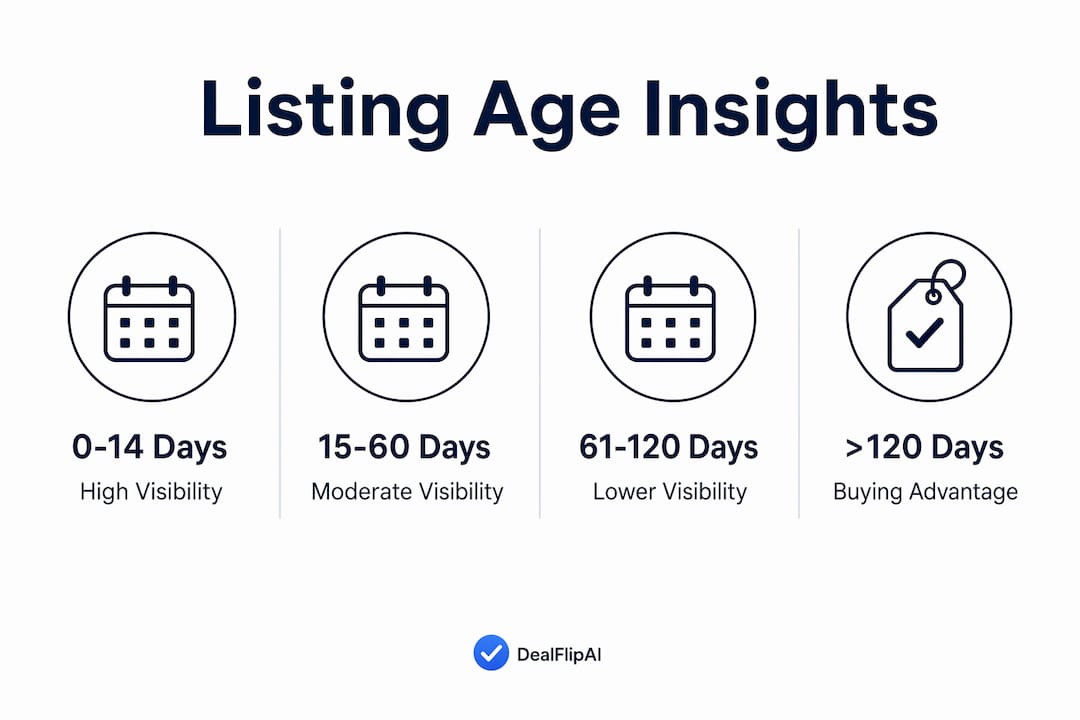
Refreshing listings older than 120 days boosted click-through rates by 40% and doubled impressions within two weeks. For buyers, this means that a listing sitting at 100 days without a relist is one that almost no one else is seeing. You have far less competition than the listing count suggests.
Pro Tip: On Facebook Marketplace, use the "Listed date" filter under search options to sort by oldest listings first. This surfaces the motivated-seller inventory that most buyers scroll right past.
How to identify high-potential old listings and avoid pitfalls
Long listing duration often reflects failed marketing more than poor product quality. A seller who used bad photos, wrote a vague title, or posted in the wrong category may have a perfectly good item that simply never found its audience. That is your opportunity.
Spotting these hidden-value listings takes a systematic approach. Work through this checklist before committing to any older listing:
- Check the listing date. Facebook Marketplace shows when an item was posted. Any listing over 60 days old deserves a closer look for negotiation potential.
- Evaluate the photos critically. Blurry, dark, or cluttered photos are a marketing failure, not a product failure. If you can see enough to confirm condition, the item may be worth far more than the seller's stagnant price suggests.
- Cross-reference the model year and market demand. Buyers use listing age clues combined with item specs to time purchases advantageously. A three-year-old iPhone listing is very different from a three-year-old power tool listing in terms of resale trajectory.
- Search completed sales on eBay. Filter by "Sold" listings to confirm what the item actually sells for, not just what people are asking. This tells you whether the Facebook Marketplace price is genuinely below market.
- Review the seller's profile and feedback. A seller with a solid history of completed sales is less likely to be hiding damage or misrepresenting condition. Thin profiles with no reviews deserve extra scrutiny.
- Ask specific questions about condition. Request photos of any wear, scratches, or functional issues. A motivated seller will respond quickly and honestly. A seller who deflects or goes quiet is a red flag.
- Watch for counterfeit risk categories. Electronics, designer goods, and collectibles carry higher fraud risk in older listings. Evaluating old listing condition requires leveraging multiple indicators including seller feedback and detailed photos before committing.
Pro Tip: Search for listings using misspelled product names. A seller who typed "Dysen vacuum" instead of "Dyson vacuum" has almost no competition on that listing, regardless of age. Combine that with a 90-day-old post and you have a near-perfect buying scenario.
What are the best practices for negotiating using listing age?
Listing age gives you leverage, but only if you use it correctly. Walking into a negotiation knowing the seller has been sitting on an item for three months is very different from guessing at their motivation.
Veteran flippers search intentionally for 90-plus-day listings as motivated sellers who may accept aggressive, below-ask offers. The key is framing your offer as a solution, not an insult. A message like "I can pick this up today for $X" works far better than a bare lowball number because it removes friction and signals commitment.
Here are the negotiation principles that work best with aged listings:
- Open at 50% to 60% of asking price on listings over 90 days old. Sellers who have already dropped their price once are psychologically primed to drop it again.
- Offer cash and same-day pickup. These two factors eliminate the seller's biggest remaining concerns: getting paid and getting rid of the item fast.
- Reference the listing age indirectly. Saying "I noticed this has been available for a while" is not rude. It signals that you are an informed buyer, which often earns more respect than a naive full-price offer.
- Watch for relisting patterns. Copying old listings to create new postings resets the algorithm age signal. If you see a freshly dated listing for an item you have been watching, the seller is still motivated. Strike before the new visibility brings fresh competition.
- Time your messages strategically. Peak buyer engagement hours fall during evenings and weekend mornings. Sending your offer during these windows increases the chance of a fast response and a deal closed before another buyer steps in.
Listing age functions as a diagnostic metric that helps you gauge market cycles and avoid inflated trend prices. An item that was hot six months ago and has been sitting since is telling you the trend has passed. That is either a reason to walk away or a reason to buy at a steep discount if the item has lasting resale value outside the trend cycle.
What tools help resellers monitor and leverage listing age?
Manual tracking of listing age across dozens of Facebook Marketplace searches is time-consuming. The right tools cut that work down significantly and surface opportunities you would otherwise miss.
Dealflip offers three core tools that directly support listing age analysis:
| Tool | Primary function | Best use case |
|---|---|---|
| Listing Analyzer | Scores listings by price, profit potential, and risk | Evaluating individual aged listings before making an offer |
| Deal Finder | Identifies motivated sellers using algorithmic signals | Finding stale, undervalued inventory at scale |
| Deal Alerts | Sends real-time notifications for new and aged listings | Catching opportunities the moment they enter your target window |
Beyond Dealflip, here are the manual metrics worth tracking on any listing you are monitoring:
- Days since posting. The single most important data point for gauging seller motivation.
- Price change history. Multiple drops confirm the seller is actively trying to move the item.
- Number of likes and comments. Low engagement on an old listing means low competition for you.
- Seller response time. Fast replies indicate an engaged, motivated seller who wants to close.
Listing age as a diagnostic tool helps experienced buyers find undervalued inventory that casual shoppers overlook entirely. Combining that manual judgment with automated alerts from Dealflip gives you a real edge in competitive local markets.
Key takeaways
Listing age is the most underused buying signal on Facebook Marketplace, and resellers who track it consistently outperform those who chase only fresh inventory.
| Point | Details |
|---|---|
| Age signals motivation | Listings over 90 days old indicate sellers ready to accept 30% to 70% below retail. |
| Algorithm decay creates opportunity | Older listings lose visibility fast, reducing buyer competition and improving your negotiating position. |
| Stale listings often hide value | Poor photos and weak titles cause good items to age out. Spot these and you find deals others miss. |
| Timing your offer matters | Send offers during peak engagement hours and reference same-day pickup to close deals faster. |
| Tools multiply your advantage | Dealflip's Listing Analyzer and Deal Alerts automate the age-tracking work so you can act first. |
Why I stopped chasing fresh listings and started hunting old ones
Most new flippers make the same mistake. They filter Facebook Marketplace by "newest first" and compete with every other buyer who just refreshed the page. I did the same thing for months before I realized the real money was sitting in listings nobody else was looking at.
The shift happened when I started sorting by oldest listings and noticed something consistent. Sellers who had been waiting 90 days or more were not just willing to negotiate. They were relieved to hear from a serious buyer. One message with a fair cash offer and a same-day pickup commitment closed deals that had been sitting untouched for four months.
What surprised me most was how often the items were perfectly good. The problem was almost always the listing itself. Bad photos, a vague title, the wrong category. Long listing duration reflects failed marketing far more often than it reflects a bad product. Once I learned to separate those two things, my buy prices dropped and my margins went up.
The one caution I will add: do not assume every old listing is a deal. Some items age because they are genuinely overpriced, damaged, or in a category with no resale demand. The listing age is a starting signal, not a guarantee. Combine it with completed sales data from eBay and a quick condition check, and you will avoid the traps while catching the opportunities.
— Apex
Find your next deal with Dealflip
If you want to put the marketplace listing age buying advantage to work without spending hours manually sorting through old posts, Dealflip is built for exactly that.

Dealflip's AI-powered tools analyze listing age, seller signals, and price history to score every deal before you commit. The Deal Finder surfaces motivated sellers and stale listings in your area automatically, while real-time alerts make sure you see aged opportunities the moment they hit your target window. Whether you are just starting out or scaling a full flipping operation, Dealflip gives you the data to find good deals on Facebook Marketplace faster and with more confidence than manual searching ever could.
FAQ
What is the marketplace listing age buying advantage?
The marketplace listing age buying advantage refers to the strategic edge buyers gain by targeting listings that have been posted for 60 days or more. Sellers of aged listings are typically more motivated to negotiate, often accepting 30% to 70% below their original asking price.
How do I find old listings on Facebook Marketplace?
Use the search filters on Facebook Marketplace to sort results by "Listed date" and select the oldest first. This surfaces listings with the most negotiation potential and the least buyer competition.
Does listing age affect how often a listing appears in search results?
Yes. Platforms including Facebook Marketplace and Vinted rank newer listings higher in search results, causing older listings to lose visibility over time. This algorithm decay reduces competition for buyers who know where to look.
How can I tell if an old listing is worth buying or just unsellable?
Cross-reference the listing age with completed sales data on eBay to confirm real market value. Check the seller's profile, request detailed condition photos, and look for price drop history as confirmation of genuine motivation rather than a flawed product.
What is the best way to make an offer on an aged listing?
Open at 50% to 60% of the asking price for listings over 90 days old, and always include an offer of cash and same-day pickup. This combination removes the seller's two biggest remaining concerns and significantly increases your chance of closing the deal.